
Many homeowners overlook how something as simple as a filter can affect an HVAC system’s overall performance. Over time, dust, dirt, and debris accumulate in filters, restricting airflow and forcing the system to work harder than necessary. This not only reduces efficiency but can also lead to higher energy costs and increased wear on system components. This article explores how dirty filters impact HVAC performance and why regular maintenance is essential for long-term efficiency.
How Dirt Accumulation Restricts Airflow
Over time, air filters collect particles, gradually reducing their ability to allow air to pass freely. As dirt accumulates, the filter becomes more restrictive, increasing resistance to airflow. This restriction forces the HVAC system to work harder to move air through the ducts and into living spaces. Reduced airflow can lead to an uneven distribution of heating or cooling, affecting overall comfort. The relationship between airflow and filter condition shows how even small amounts of buildup can significantly affect system performance.
Effects on Energy Efficiency and System Load
Dirty filters increase the workload on HVAC systems by requiring more energy to maintain normal operation. When airflow is restricted, components such as fans and motors must operate at higher speeds to achieve the same output. This increased effort results in higher energy consumption and lower efficiency. Over time, the added strain can contribute to wear on system components, affecting their longevity. The connection between filter condition and energy use demonstrates how maintenance directly impacts operational efficiency within the system.
Impact on Indoor Air Quality
The condition of air filters also influences indoor air quality. When filters become saturated with dust and particles, their ability to capture additional contaminants decreases. This can allow more airborne material to circulate within the indoor environment. Poor air quality may affect comfort and overall environmental conditions within a home or building. Clean filters help remove particles from the air, while dirty filters reduce this effectiveness. This relationship emphasizes the dual role of filters in both system performance and environmental health.
Long-Term Effects on System Components
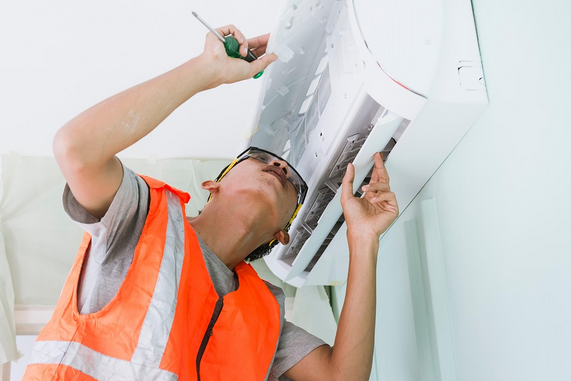
Extended operation with dirty filters can have lasting effects on HVAC system components. Increased strain on motors, fans, and other components can reduce efficiency and lead to mechanical issues. The buildup of debris may also reach internal components, further impacting performance. Over time, these effects can affect the system’s reliability and its ability to operate consistently. The long-term impact of neglected filters highlights the importance of maintaining clear airflow paths to support overall system function.
Dirty filters affect HVAC system performance by restricting airflow, increasing energy consumption, and reducing indoor air quality. Their condition influences both the immediate operation and the long-term reliability of the system. Understanding the role of filters and the effects of dirt accumulation reveals how this component contributes to the overall efficiency and functionality of heating and cooling systems. This perspective highlights the importance of maintaining filter condition as part of system performance.