
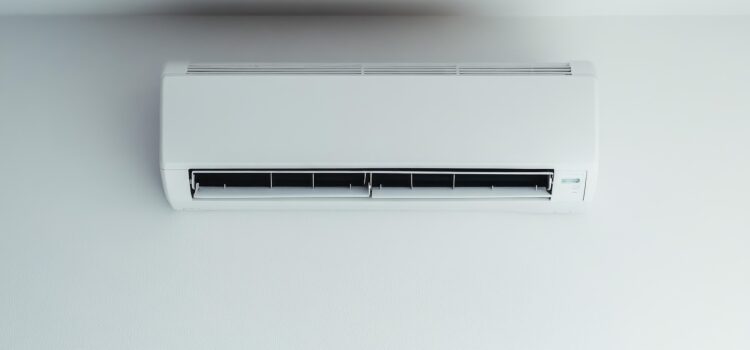
It is midnight, the house is getting warmer, and suddenly the AC decides it has officially clocked out. Emergency Air Conditioning Repair Services Elgin can become a lifesaver, especially if the temperature keeps climbing and sleep is becoming impossible. Before reaching for the phone, though, there are a few smart checks you can make. Some AC problems are surprisingly simple, and you may be able to get the system running again without turning your bedroom into a sauna.
Check the Thermostat First
Start with the thermostat because this tiny wall-mounted gadget can create a surprisingly big headache. Check whether the display is on and set to cooling mode. Then lower the temperature a few degrees below the current room temperature and listen for the system to respond. If nothing happens, the thermostat may have lost power or developed a fault. Also check the batteries if your thermostat uses them. A weak battery can leave you staring at a perfectly ordinary screen while the AC does absolutely nothing. Make sure the temperature setting has not been changed accidentally, too.
Check the Air Filter
A filthy air filter can choke airflow and put serious strain on an AC system. If the filter is visibly packed with dust, replace it if you have a suitable replacement available. Poor airflow can make the system struggle, freeze up, or shut down to protect itself. That little rectangle of filter material deserves more attention than it usually gets. After replacing it, give the system some time to respond. Do not immediately crank the thermostat to an extremely low setting. The AC needs room to recover and move air properly. If airflow remains weak or the unit still refuses to start, there may be another problem hiding behind the filter.
Inspect for Ice, Leaks, or Strange Sounds
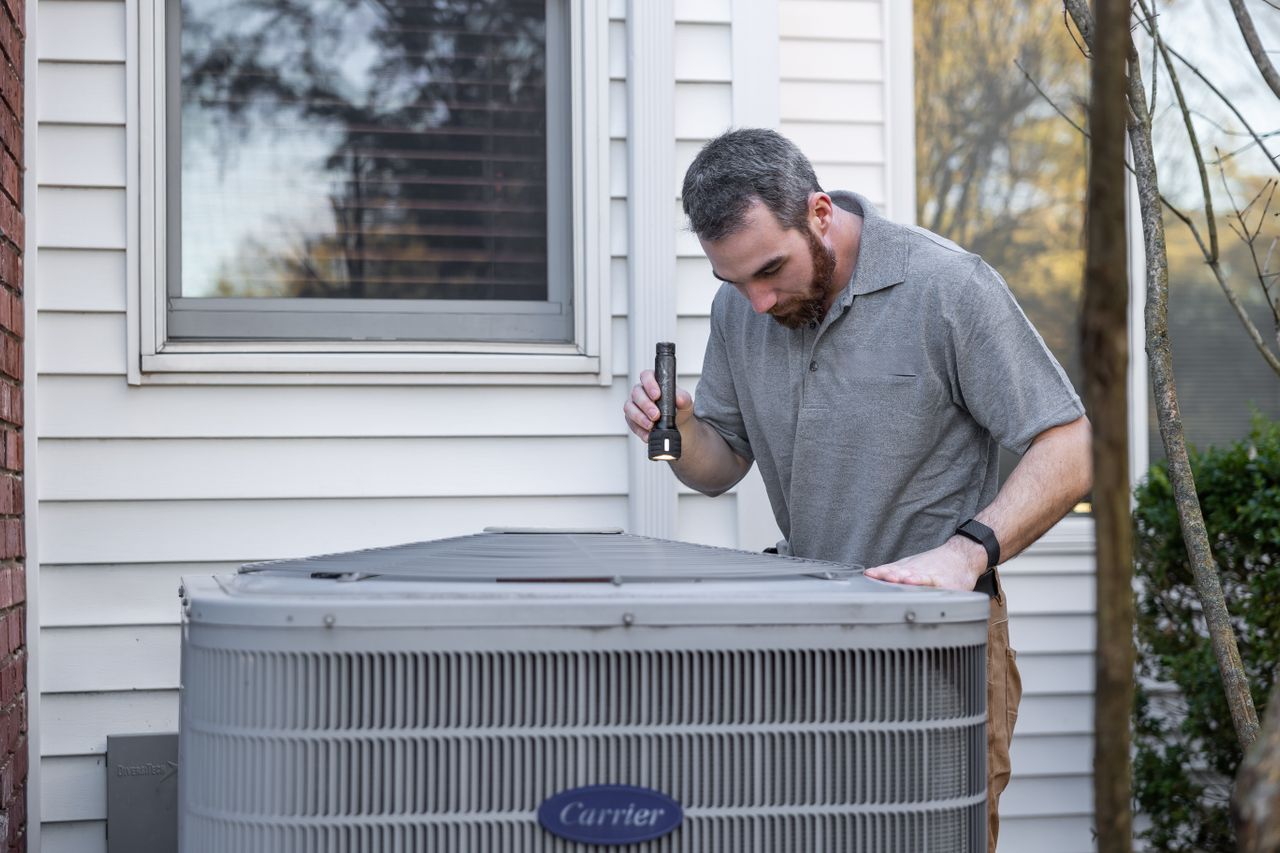
Take a quick look at the indoor and outdoor units. Ice around the indoor coil or refrigerant lines can indicate airflow or refrigerant trouble, while water around the indoor unit may signal a drainage issue. Strange grinding, buzzing, or banging noises also deserve attention. Your AC should cool the house, not audition for a heavy-metal band. Do not scrape ice away with a tool or start dismantling the equipment at night. Turn the system off if you see significant ice, water, smoke, or unusual electrical activity. Give the equipment space and avoid touching suspicious components. Safety beats curiosity, especially when electricity and mechanical parts are involved.
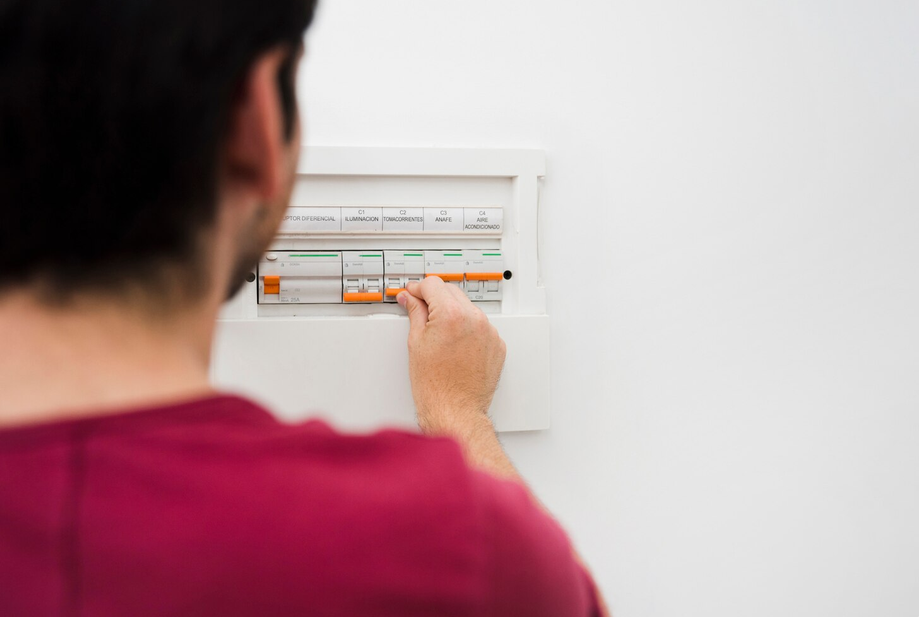
Look at the Circuit Breaker
Your AC needs electricity, and electrical protection can sometimes trip during a problem. Head to the breaker panel and check whether the AC breaker has moved to the middle or off position. If it has tripped once, you can reset it according to the panel instructions and see if the system starts again. Do not keep resetting it if it immediately trips again. A breaker that repeatedly shuts off is a warning, not an invitation to keep flipping switches. There could be an electrical fault or another issue causing the overload. Leave the system off and arrange professional help if the breaker will not stay on. Your midnight troubleshooting session should not become an electrical adventure.
Know When to Stop Troubleshooting
Sometimes the smartest move is recognizing that the problem has gone beyond a quick household fix. If the thermostat, breaker, filter, and visible components seem fine, continuing to poke around may accomplish very little. Professional inspection can identify faults that are impossible to spot from the outside. That is especially important if the AC keeps shutting down after restarting. For the night, use fans, close curtains, limit unnecessary heat-producing appliances, and keep doors and windows closed if outdoor air is hotter. Then arrange qualified repair help as soon as practical. A broken AC is frustrating, but panic rarely makes the compressor happier. Start with the simple checks, know your limits, and get the right help when the problem clearly needs it.
Bottom Line: Stay Cool and Know When to Call
A nighttime AC failure does not always mean you need a major repair. Start with the thermostat, breaker, filter, and visible warning signs before assuming the worst. These quick checks can sometimes reveal a simple problem or help prevent further damage. If the system still refuses to cooperate, professional help is the smarter next move. The goal is not to become an overnight AC technician with a flashlight and questionable confidence. It is to handle the obvious checks safely and recognize when the problem needs trained attention. Keep the room as cool as possible while waiting, and avoid repeatedly restarting a system that shows signs of electrical or mechanical trouble. A little common sense at midnight can save you a much bigger headache the next day.…