
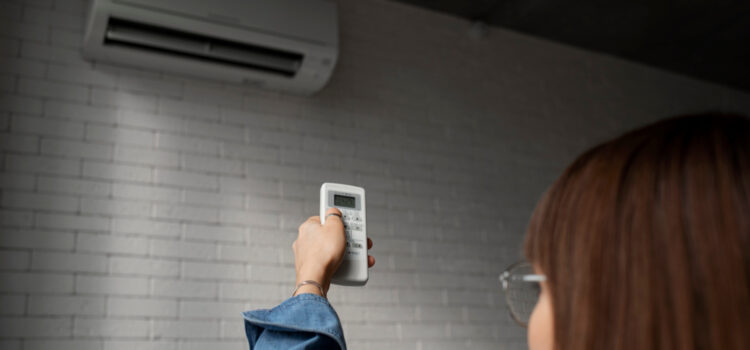
Few things are more frustrating than an air conditioner failing when you need it most, especially during the hottest hours of the day. As temperatures rise, cooling systems work harder to maintain indoor comfort, which can expose underlying issues such as worn components or restricted airflow. Many homeowners search for air conditioning repair near me when their system suddenly stops performing under peak demand conditions. Problems like overheating, electrical strain, or clogged filters can all contribute to unexpected breakdowns during extreme heat. This article explores why air conditioners are more likely to fail during peak periods and what these failures reveal about system health.
Increased Demand for Electrical Components
Peak heat periods often coincide with higher energy demand across residential and commercial areas. As more systems run simultaneously, the electrical infrastructure experiences increased load, which can affect how individual air conditioning units perform. Within the system itself, electrical components such as capacitors and compressors must work harder to sustain continuous operation. This increased demand can lead to overheating or temporary shutdowns as a protective response. These interruptions are designed to prevent long-term damage, but they can give the impression that the system has stopped functioning altogether.
The Role of Refrigerant Pressure and Heat Exchange
By collecting and releasing heat as it moves through the system, refrigerant is essential to the cooling process. During periods of extreme heat, the pressure within the refrigerant lines can rise significantly. This increase affects the efficiency of heat transfer, making it harder for the system to maintain the desired indoor temperature. When pressure levels exceed optimal thresholds, the system may reduce its operations or temporarily shut down to stabilize internal conditions. This response highlights the delicate balance required for effective heat exchange, especially under intense environmental stress.
Airflow Limitations and System Strain
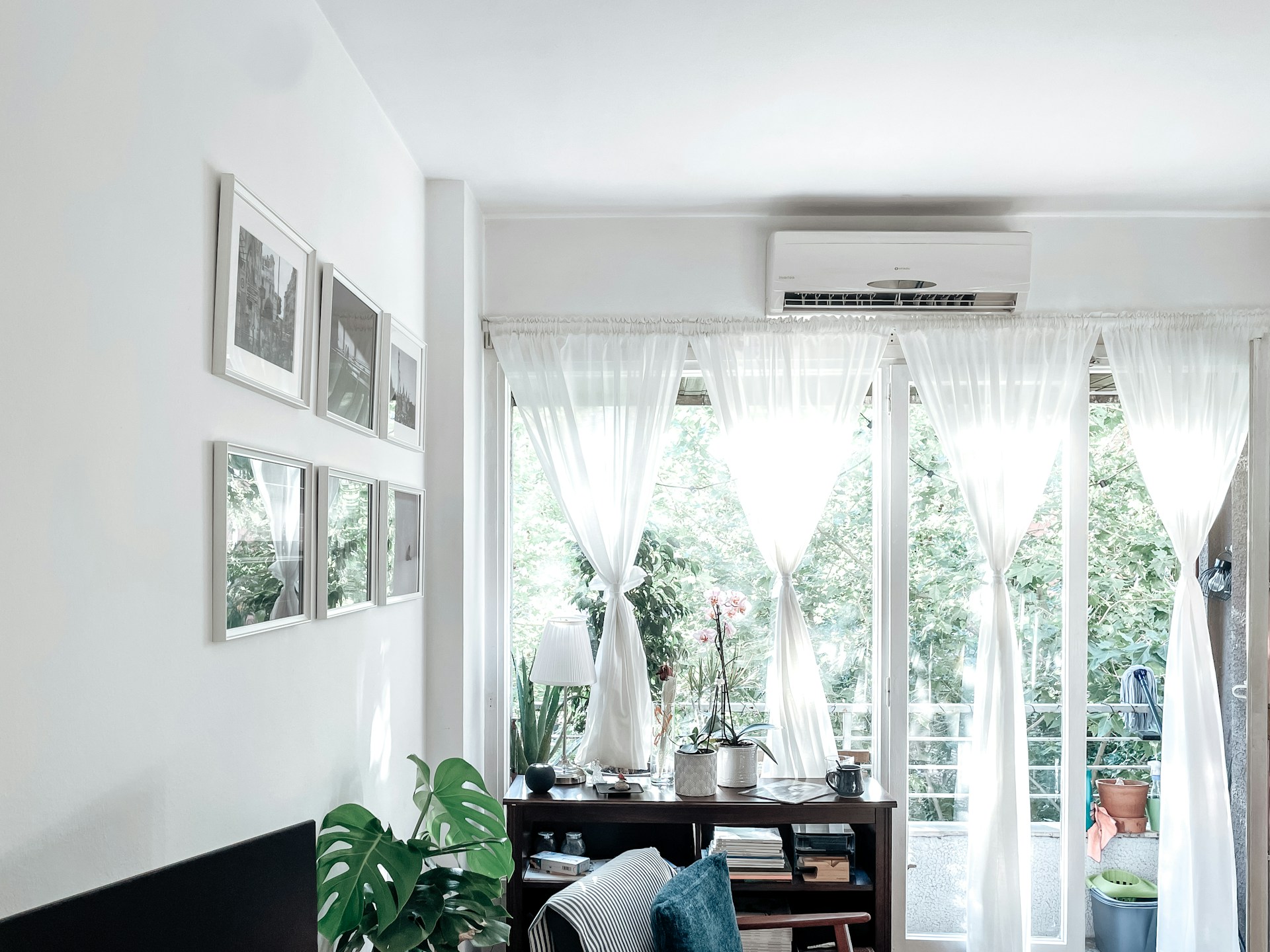 Proper airflow is essential for maintaining consistent cooling performance. During peak heat hours, any restriction in airflow can amplify the strain on the system. Dust accumulation, blocked vents, or reduced circulation can limit the system’s ability to distribute cool air evenly. When airflow is compromised, the system must work harder to achieve the same result, increasing internal stress. Over time, this added pressure can lead to temporary shutdowns or reduced efficiency. The interaction between airflow and external temperature conditions plays a significant role in how the system responds during the hottest parts of the day.
Thermal Overload and Protective Shutdown Mechanisms
Modern air conditioning systems are equipped with safety features that protect internal components from damage. One of these features is the ability to shut down when system temperatures exceed safe operating levels. During peak heat hours, continuous operation combined with high external temperatures can trigger these protective mechanisms. The system may stop running until it cools down to a safe level, after which it resumes normal operation. This built-in response is not a malfunction but a safeguard that helps ensure the unit’s longevity by preventing overheating and component failure.
Air conditioners may stop working during peak heat hours due to a combination of environmental stress and internal system responses. Extreme temperatures, increased electrical demand, elevated refrigerant pressure, airflow limitations, and protective shutdown mechanisms all contribute to this behavior. Understanding these factors provides a clearer perspective on how air conditioning systems operate under pressure and why temporary interruptions can occur during the hottest times of the day. Recognizing these conditions highlights the relationship between external heat and system performance, offering insight into how cooling systems respond to intense demand.…