
Minor drainage problems often seem harmless at first, but they can gradually escalate into significant, costly issues when left unaddressed. Slow drains, recurring blockages, and small leaks may indicate underlying pipe deterioration that worsens over time, potentially leading to water damage, structural concerns, and expensive repairs. Solutions such as pipe relining Sydney are increasingly considered when homeowners seek effective ways to restore damaged pipe systems before problems escalate. Addressing drainage issues early helps maintain proper water flow and reduces the risk of long-term property damage. This article explores the lasting impact of ignoring minor drainage problems and why timely intervention is important for protecting residential infrastructure.
Increased Risk of Pipe Blockages
One of the most common outcomes of ignoring minor drainage issues is the development of more severe blockages. Small accumulations of grease, soap residue, food particles, hair, or debris can continue building up inside pipes over time. What begins as a slow drain may eventually significantly restrict water flow. As the blockage grows, wastewater may drain more slowly or stop moving altogether. Severe obstructions can place additional pressure on the plumbing system and increase the likelihood of backups that disrupt daily household activities.
Unpleasant Odors and Reduced Indoor Comfort
Drainage systems are designed to efficiently transport wastewater away from living spaces. When drains are partially blocked or water flow slows significantly, unpleasant odors may develop. Organic matter trapped in pipes can decompose, creating foul odors that spread through kitchens, bathrooms, or utility areas. These odors can become more noticeable as drainage conditions worsen. Over time, persistent smells may affect overall indoor comfort and indicate that deeper plumbing issues require attention.
Structural Concerns and Foundation Risks
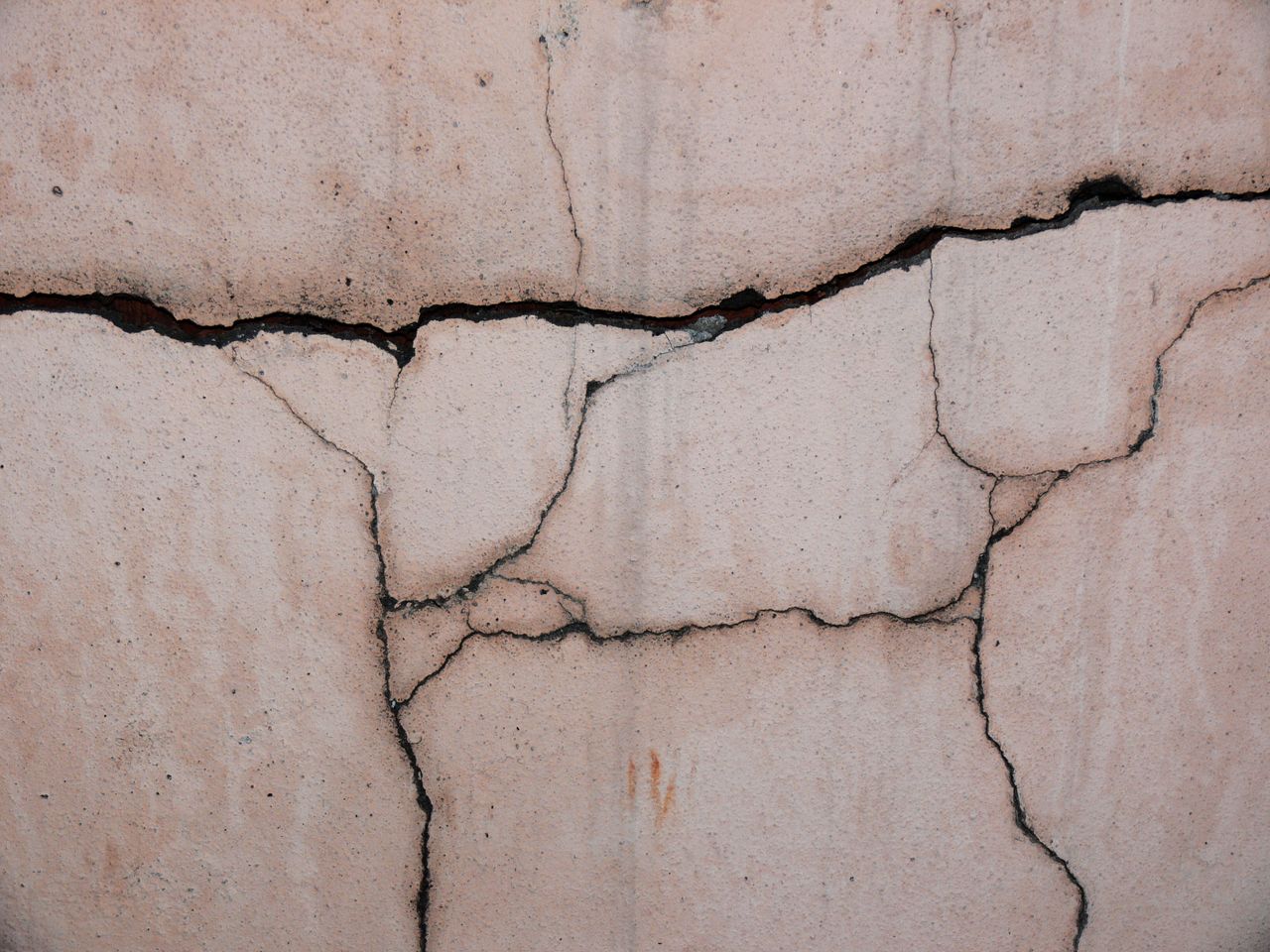
Long-term drainage problems can sometimes extend beyond the plumbing system itself. Leaks or drainage failures that allow water to accumulate near the home may affect soil conditions around the property. Excess moisture can gradually weaken supporting structures, contribute to erosion, or increase stress on foundations. While these issues often develop slowly, they can become costly to address if water management problems remain unresolved for extended periods. Proper drainage plays an important role in protecting both plumbing infrastructure and the structural stability of the property.
Potential Water Damage to the Property
Persistent drainage problems can also contribute to water damage within the home. When water cannot flow properly through drains, it may overflow or leak into surrounding areas. Repeated exposure to moisture can affect floors, cabinets, walls, and other building materials. Even small amounts of water can cause damage when they accumulate over long periods. Because drainage issues often develop gradually, homeowners may not notice the extent of moisture-related damage until repairs become more extensive and expensive.
Higher Repair Costs Over Time
Perhaps the most significant consequence of ignoring minor drainage issues is the increased cost of future repairs. Problems that could have been resolved through routine maintenance may develop into larger plumbing failures requiring more extensive work. Major blockages, pipe damage, water restoration, and structural repairs are often far more expensive than addressing early warning signs. Preventive maintenance helps identify problems before they escalate, reducing both repair costs and potential disruption to the household.
Ignoring minor drainage problems can lead to serious long-term consequences, including severe blockages, water damage, unpleasant odors, structural concerns, and higher repair expenses. Although these issues may appear insignificant at first, they often worsen gradually as underlying problems continue to develop. Early attention and regular maintenance help protect the plumbing system, preserve property condition, and prevent costly future repairs. Understanding the risks of delayed action highlights why even small drainage concerns deserve prompt attention.…